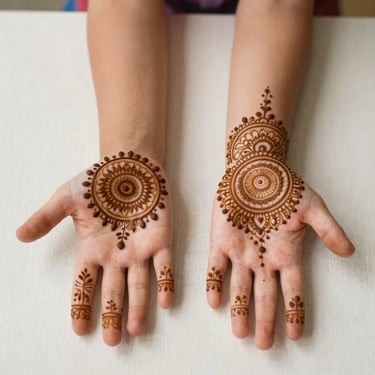
The Legacy of Mehndi
4/7/20262 min read
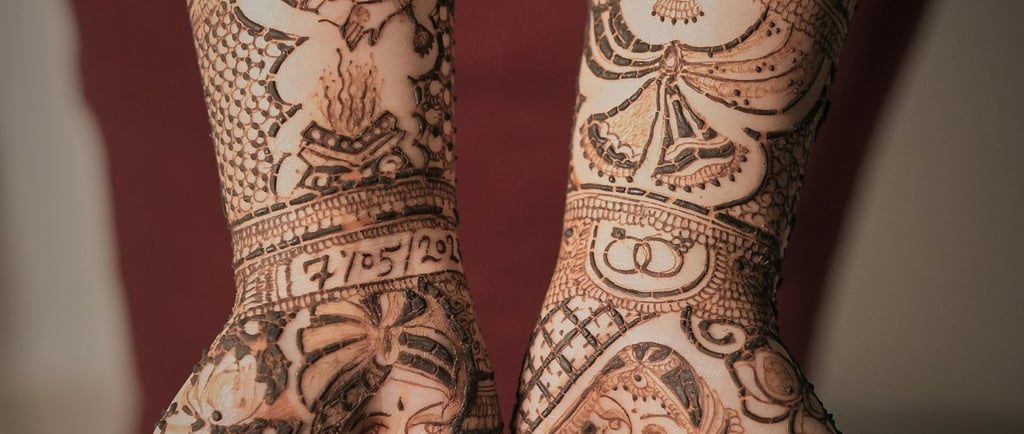
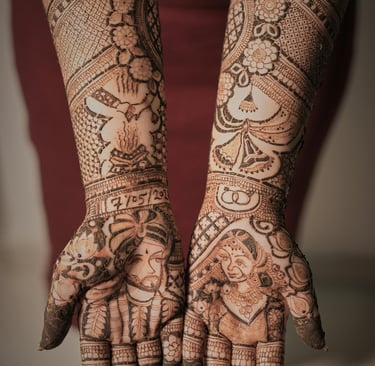
The Beauty of Mehndi
Mehndi is one of the oldest and most beautiful forms of body art in the world. It’s used widely across the world as it is a temporary tattoo that is harmless, non-toxic and completely safe on the skin. Even today mehndi is still important in festivals, cultural event, patterns and artistic expression.
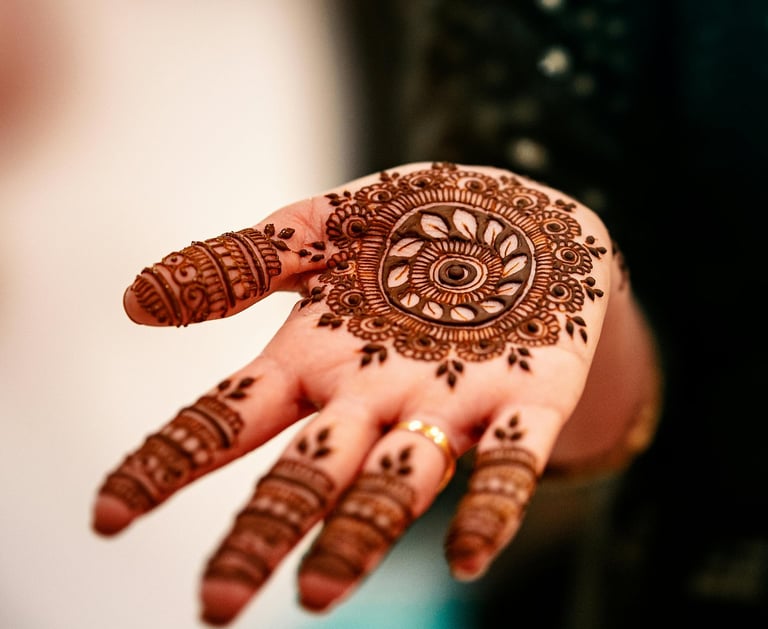
What Mehndi Is
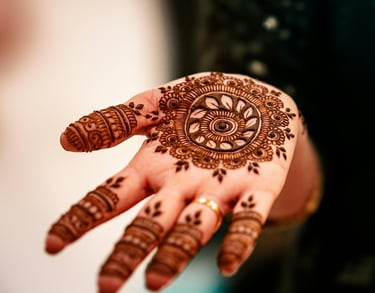
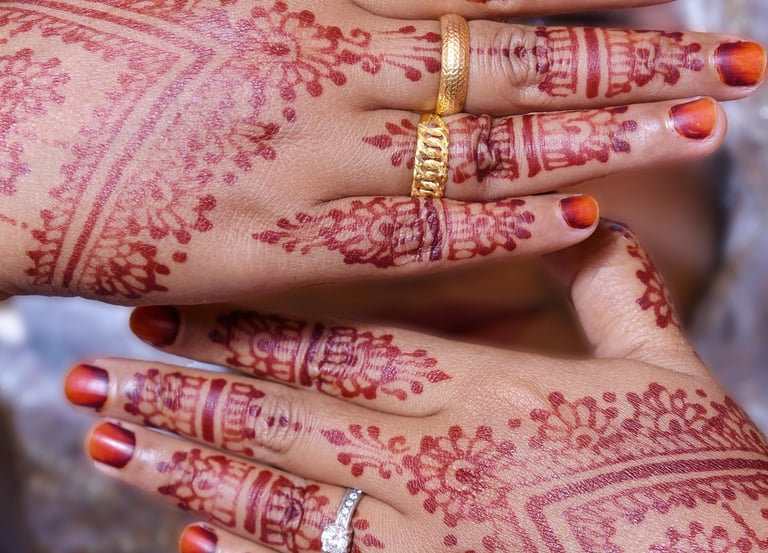
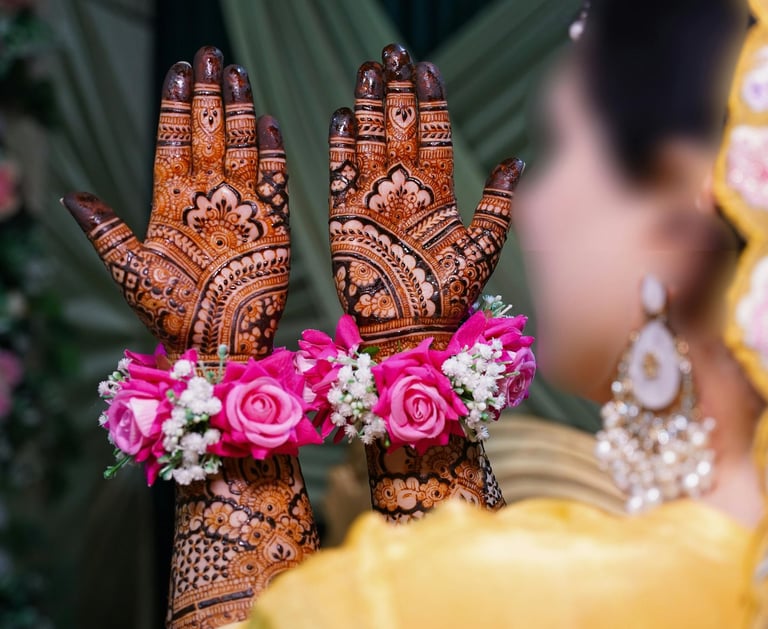
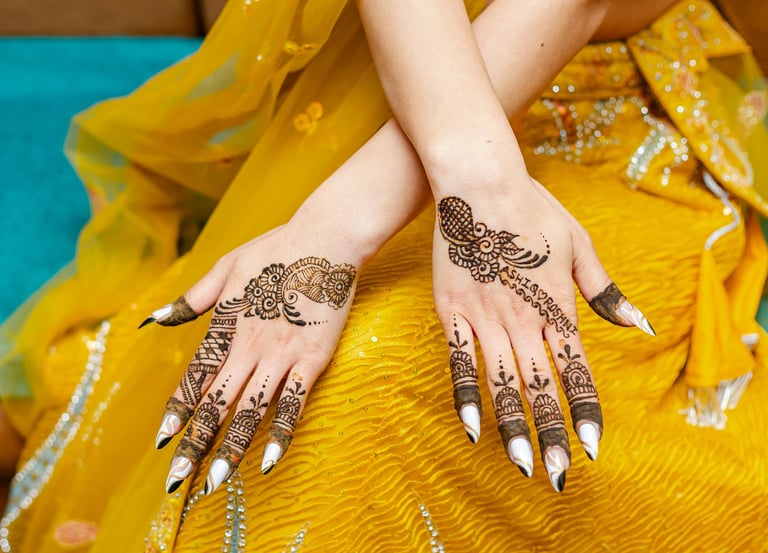
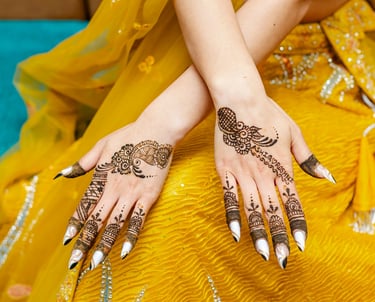
Mehndi is a traditional dye that comes from the leaves of the henna plant. To make the paste, the dried leaves are crushed and mixed with water or oils until they form a smooth, dark mixture. The paste is then applied in patterns on the skin, and once it dries, it leaves behind a stain. The colour first appears orange but slowly darkens into a deep brown over time. Mehndi usually lasts for about one to two weeks before fading naturally.
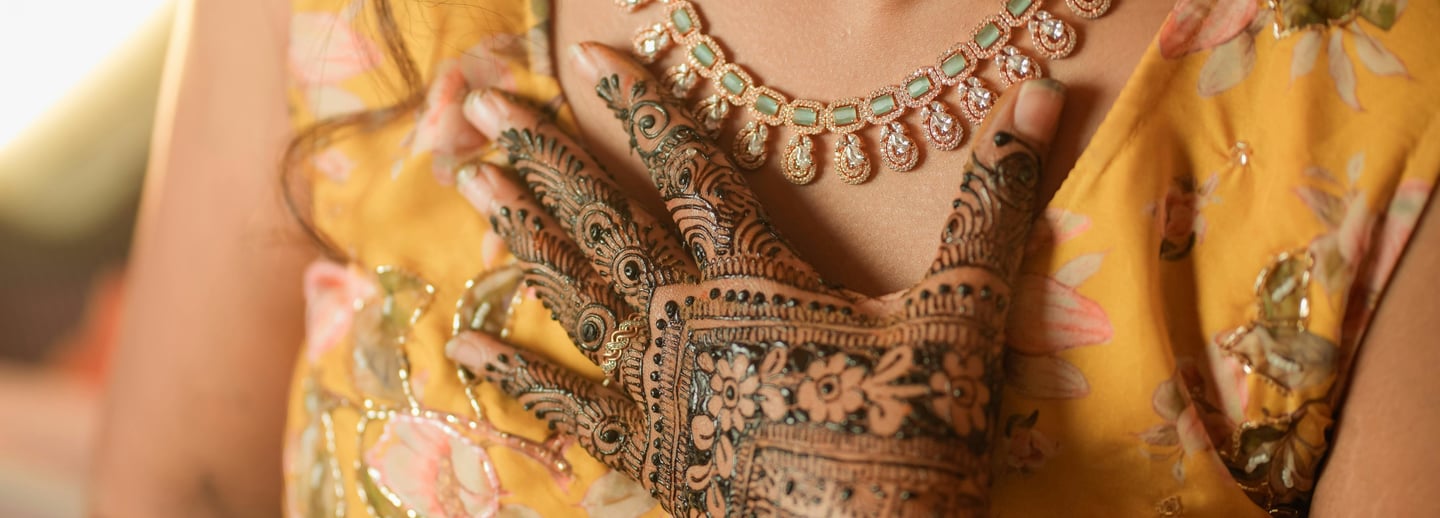
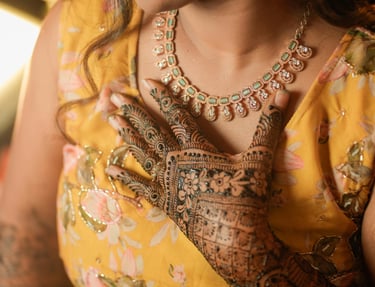
For many communities, mehndi is an important part of celebrations and traditions. Brides wear mehndi because it symbolises joy, beauty, protection, and love. In weddings, it is used to celebrate love and make new beginnings in life. Mehndi is also popular during traditional festivals such as Eid, Diwali, and Karva Chauth. During these festivals, families and friends come together to apply mehndi as part of the celebration. Because of these traditions, mehndi continues to be an important cultural practice.
Cultural Importance
Backstory
Nobody invented mehndi; it was discovered in ancient Egypt, where mummies had henna on their nails, as well as in ancient India, Middle Eastern cultures, and African communities. People first started using mehndi because it was cooling in hot climates, offered sun protection, and even had medicinal uses that helped with healing. Later, people realised it left a pretty stain on the skin, so they began using it as decoration. Once they saw how beautiful it looked, mehndi became part of celebrations, festivals, weddings, and rituals. Travellers carried mehndi powder across India, Pakistan, the Middle East, and North Africa, which helped it become popular in many regions. Over time, mehndi transformed from something practical → to decorative → to cultural → to artistic — and that is why it is now a tradition.
Where the Past Meets The Present
Mehndi has remained important for thousands of years because of its beauty, safety, cultural meaning, and rich history. From its natural, harmless paste into being popular in weddings, festivals, and ancient traditions, mehndi has continued to connect people through art and celebration. Its beauty, history, and meaning are what make the legacy of mehndi so special today
Contact
Questions or tips? Reach out anytime.
Perth WA, Australia
© 2026. All rights reserved.